
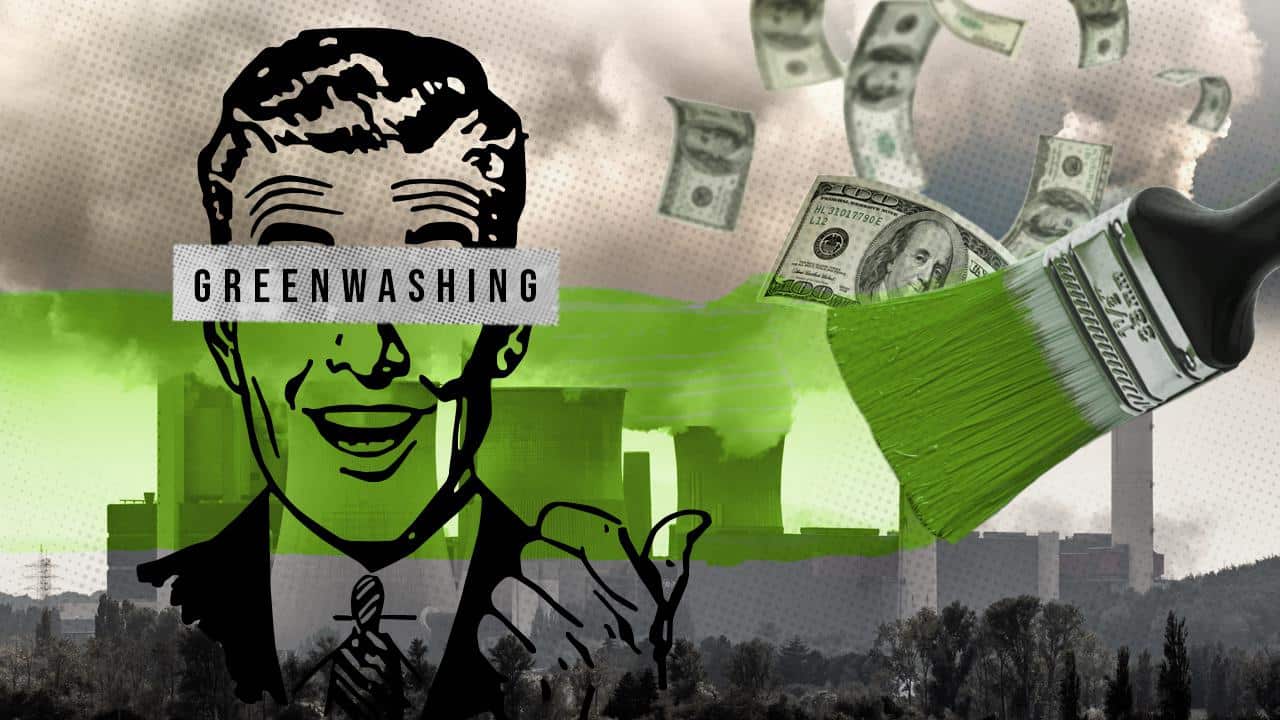
Ever heard about Greenwashing? What does it actually mean? Is it ethically and morally appropriate? Let’s dig in and understand the concept.
What is Greenwashing
The term greenwashing refers to use of deceptive marketing and communication tactics by businesses or brands. Many brands portray themselves as environmentally friendly and socially responsible, even when they are not. In the modern era, there is a growing emphasis on environmentally friendly and sustainable products. People are simply willing to pay a higher price tag for products that are environmentally friendly. Marketers use various greenwashing techniques to maximize the brand’s profits.
Greenwashing is simply defined as a manipulative marketing strategy that seeks to exploit the end-consumer. Mistaken claims are advertised regarding the products and the business is portrayed as an eco-friendly venture. People who are eco-conscious are the primary victim of these greenwashing activities.
The Origins of Greenwashing

The term Greenwashing has an interesting origin. Renowned environmental activist, Jay Westerveld was staying at a hotel in Fiji and in the bathroom, he saw a little note with the recycle symbol on it. The note said: Save the Planet: Every day, millions of gallons of water are used to wash the towel that has only been used once. You make the choice: A towel on the rack is reusable and one of the floors needs to be replaced. Thank you for conserving Earth’s vital resources.
Westerveld was not convinced with this idea and found it to be deceptive. He believed that these notes had nothing to do with environmental conservation, rather these were measures to cut costs. The activist ended up writing a critical essay on the topic and hence, the term was born!
The Rise of Corporate Greenwashing

Corporate sector has been using these Greenwashing techniques unnoticed for a long time now. Some early offenders in the greenwashing sphere include corporations like BP and Shell. These companies give the illusion that they are doing the consumers and the world a huge favor with their eco-friendly products. However, the truth is otherwise.
Some Culprits:
Beyond Petroleum
In 2005, a petroleum company (Beyond Petroleum) launched a massive scale campaign introducing the term carbon footprint. The company has been producing large quantities of waste and causing widespread contamination. This campaign by the company asked the people to calculate their individual carbon footprint. Activists saw this as a ploy to put the burden of blame on the users.
Chevron
This was another oil-company found guilty of manipulating the consumers. The company has won many awards for their environmental conservation efforts. Actually all of this was greenwashing! The company ran television ads in the mid 1980s and print ads with the objective of convincing the public that Chevron was an eco-friendly company. There were several campaigns like the People Do and the We Agree campaigns. Both of these campaigns were largely unsuccessful and consumers didn’t buy the story Chevron was selling. What’s ironic is that the company was facing a billion dollar lawsuit. Hence, marketing can be deceptive!
How to Differentiate Greenwashing from Genuine Sustainability Campaigns?
Boostify360 promotes ethical marketing and local SEO tools for improving profitability. Greenwashing is a deceptive marketing technique that is borderline unethical. The key difference between eco-friendly claims and authentic effort lie in the results these campaigns produce.
Authentic eco-conservation efforts always involve transparency, accountability and long-term commitment towards making actual improvement.
Eco-friendly claims often target specific products or actions as environmentally friendly but may not consider the whole product lifecycle or a brand’s overall practices. In contrast, genuine sustainability efforts involve businesses adopting responsible practices throughout their operations and supply chains, aiming to reduce their overall environmental impact. This approach emphasizes transparency, accountability, and continuous improvement, demonstrating a sincere commitment to protecting the environment and creating a lasting positive impact.
Impact of Greenwashing – From a Marketer’s Perspective
According to a Nielsen global survey conducted in 2019, 81{b4d28b7a56ef539703f4f728176c915b79ae37d97877be1cf8dd9aa62923e927} of respondents felt strongly that companies should help improve the environment. In a 2019 survey by Accenture, 83{b4d28b7a56ef539703f4f728176c915b79ae37d97877be1cf8dd9aa62923e927} of Millennials said they would be more loyal to a company that helps them make a difference, and 73{b4d28b7a56ef539703f4f728176c915b79ae37d97877be1cf8dd9aa62923e927} of Gen Z respondents were willing to pay more for sustainable products. In a 2020 survey by First Insight, 62{b4d28b7a56ef539703f4f728176c915b79ae37d97877be1cf8dd9aa62923e927} of respondents said they are more likely to buy environmentally friendly products when shopping online.
What do all these survey report have in common? People are willing to pay more if they find the products to be eco-friendly which is great from a marketers point of view. Simply design a marketing campaign around eco-friendly products, put up a few fake stickers and logos and voila! However, this is not the most ethical thing to do and it will have long-standing impacts on the environment.
Greenwashing isn’t just deception – it has its negative impacts. Customers are believed in believing that the products and services they use are good for the environment. As a result, more and more people adopt these products/services. Some results of this deceptive marketing are listed below:
- Waste Generation
- Resource Misuse
- Natural Resource Depletion
Tips and Tricks: How to Spot Greenwashing?
Identifying deceptive marketing can be tricky and at times impossible. Try to look out for the following patterns:
- Check for third-party certifications
- Be mindful if the company is making any specific claims or has any overstated claims.
- Looking for transparency – is there any data available regarding the eco-sustainability efforts? Is the data verifiable?
- Are the marketers considering the entire product lifecycle or a specific section of the lifecycle.
Should Greenwashing be Illegal?
In the US, there are Federal Trade Commission’s Green Guide however these are of suggestive nature and hold no legislative value. These guides are designed to help marketers avoid making environmental claims that can be potentially misleading. Other than that, there are no specific US laws that characterize greenwashing as misleading.
Similarly, in the UK, there are no laws or legislation that specifically outlaws greenwashing. In September 2021, the Competition and Markets Authority (CMA) published a Green Claims Code which does put forth certain civil penalties on companies found involved in greenwashing. For marketers interested in learning more about the Green Claims Code, a detailed advisory guide has been made available.
The European Union (EU) has consumer protection laws to tackle unfair commercial practices. As for China, one of the biggest economies in the world, there are no specific greenwashing laws. Misleading marketing is a common practice in China.
Certifications and Eco-Labels
Notably, not all eco-labels and green certifications are trustworthy. Many are used as deceptive marketing tactics, a phenomenon known as greenwashing. In a 2021 report, Greenpeace exposed that numerous certified companies remained associated with environmental harm, land disputes, and human rights violations despite their certifications.
Best Practices
Marketers can effectively avoid greenwashing and reap several benefits by following these key strategies:
- Third-Party Verification: Seek reputable third-party certifications and audits to substantiate environmental claims, ensuring that experts validate their eco-friendly practices.
- Meaningful Sustainability Initiatives: Prioritize genuine, measurable, and impactful sustainability initiatives within the organization, reflecting a sincere commitment to reducing the environmental footprint.
- Transparent Communication: Communicate sustainability efforts transparently and honestly, avoiding vague or exaggerated green claims, and disclosing both successes and challenges.
The advantages of steering clear of greenwashing include:
- Consumer Trust: Building trust with environmentally-conscious consumers who seek authentic eco-friendly products and brands, resulting in increased loyalty and advocacy.
- Regulatory Compliance: Staying in compliance with strict environmental regulations, reducing the risk of legal issues and associated financial penalties.
- Enhanced Reputation: Improving the company’s reputation, which can attract socially responsible investors and partners and enhance overall brand image.
- Cost Savings: Discovering cost-saving opportunities through resource efficiency and innovation while contributing to long-term profitability and positive environmental impact.
In essence, avoiding greenwashing is not only ethically responsible but also a strategically savvy move in today’s environmentally-aware market landscape.
Are you looking to go BIG?

If you are looking to take your local business to the next level, you need to optimize your local SEO efforts. Rank higher on Google with Boostify360 local SEO guide. Confused about your local SEO strategy, learn how to develop a winning local SEO strategy.