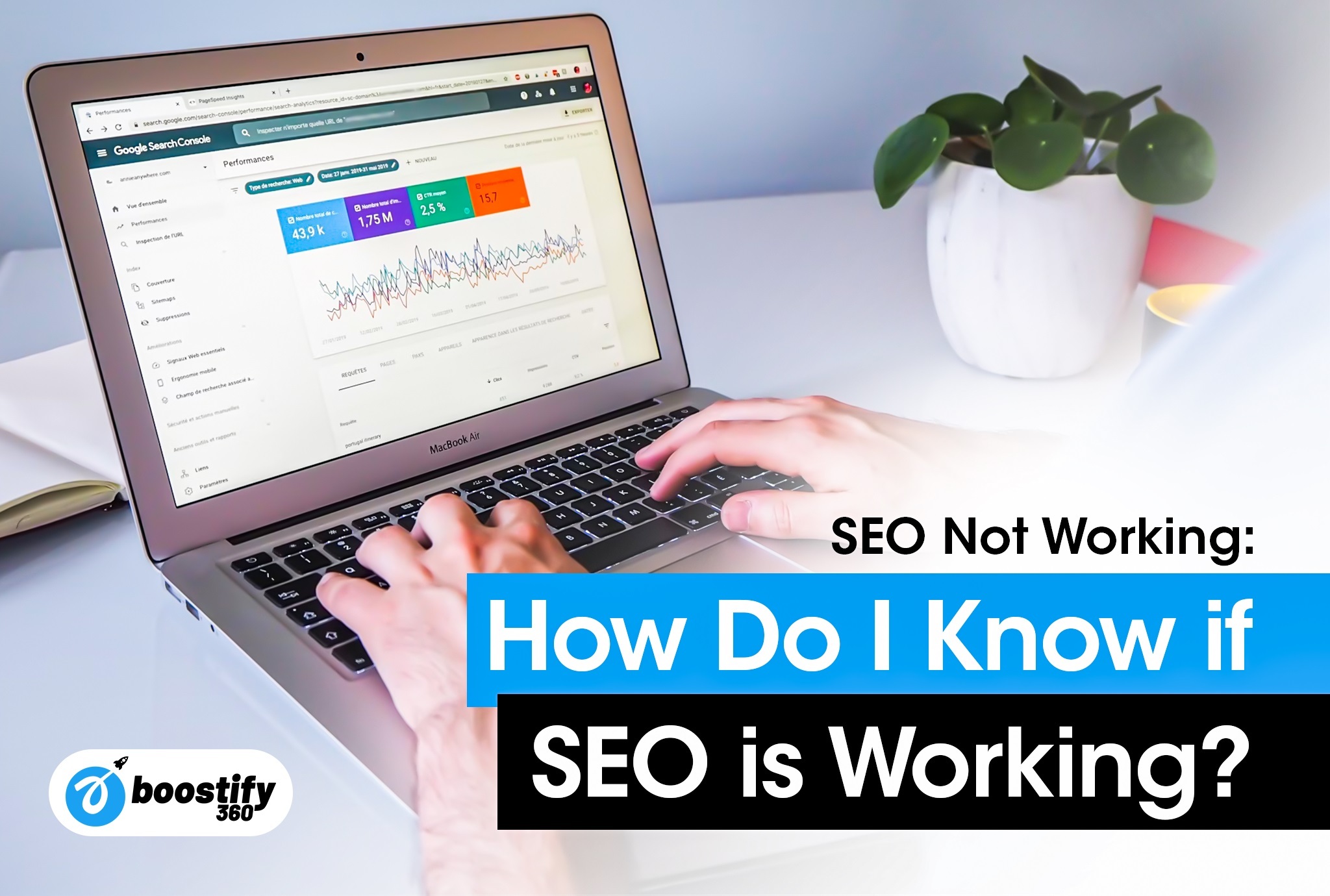
Let’s consider this – you have made an amazing website with excellent user interface and informative content. However, your site won’t perform too well without adequate SEO. The first question to address here is why do we need SEO? (1) We need SEO because it helps websites rank higher in the SERPS, (2) SEO helps increase visibility and drive traffic, (3) SEO helps boost brand awareness and recognition, (4) and SEO helps enhance overall online presence. Basically, it is by the use of a powerful digital tool called SEO that a business becomes visible on the Search Engine Result Pages.
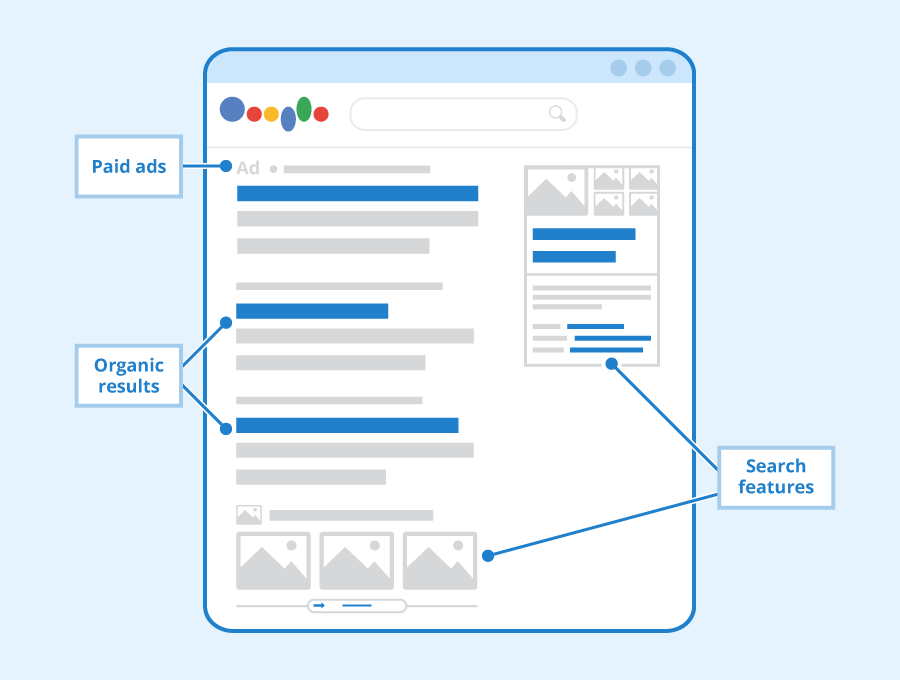
Second important question to ask here is why is it important for our website to rank higher up in the SERPS? Ranking higher up has to do with scroll depth. About 50-60% of the users do not scroll past the first page, many users only scroll through the top six results, mobile users are even less likely to scroll past the first 10 pages. This means that the majority of the action happens on the first 3-4 pages and that’s where we want our webpage to be for increased visibility. Ranking higher on the SERPs is particularly important for businesses which depend on sales. Till now, we have established a few things:
- SEO is very important for small businesses.
- SEO helps businesses get leads or more customers.
- SEO can help product/sales related businesses be more profitable.
SEO is a superpower but it is not a quick fix approach. It will take many weeks and even months after continuous efforts for you to get results. The exact time frame depends upon a variety of factors including website history, competitiveness of the industry, quality of content, integration of keywords, etc.
Now suppose you have an optimized fast website, with relevant keywords, ideal structure, high-quality backlinks, low bounce rate. You have already optimized both the front end and the back end. How would you know that the SEO is working or your SEO efforts are paying off? This is a common question which small website owners frequently ask and Boostify360 will provide you an elaborate answer, once and for all.
Monitor Them Keywords!
Monitoring keywords is the easiest way to gauge success for your SEO efforts. Keywords specific rankings say a lot about your website’s position on the SERPS. If your website’s rank is improving on some specific keywords, this means that people are visiting your pages frequently. Once you implement a SEO technique and your rank improves, it is a clear indicator that you are on the right track. For new businesses, it is a good idea to go for mediocre traffic and low keyword difficulty webpages.
Ranking factors include algorithm changes and competitors activities. If you don’t see immediate improvements, do not get disheartened. Sometimes it takes a while for the bots to crawl your website. Checking your site’s keyword ranking should be a weekly activity. Many tools exist such as the Google Search Console, Ahrefs, etc. which help you accomplish this task of regular keywords tracking.
Focus on long-tail and less competitive keywords to gain small chunks of traffic. As your site grows better, you can eventually shift to keywords with higher KD. Also, it is not about having the top spot for each and every keyword you target. Success lies in ranking only those keywords which are directly relevant to your business. Suppose you run a roofing business in San Francisco and you are ranking the keyword best roofer in Virginia, you wouldn’t benefit much. Instead, if you are ranking for the keyword Best Roofer in San Francisco, your business has a higher probability of finding local clients who require your services. Boostify360 has a local SEO guide if you are aiming for greater visibility on a local level.
SEO Basics: Analyze Organic Traffic

Traffic can be broadly divided into two categories: (1) paid traffic, and (2) organic traffic. Organic traffic is the traffic which comes to your website through organic searches via any medium – blog, videos, or any other type of digital media. These visitors are essential for any local business as these are the people most interested in your offering and have a greater likelihood of converting potential customers.
To track organic traffic, the best and free tool is Google Analytics. This tool will provide you with a detailed analysis of how many people visit your website, which URL is being most frequently visited, what is the average session duration, which device is being used to access the webpage, and even provide location, age, and gender related demographics. All this data can be utilized for improving the overall content strategy.
Focus on the Bounce Rate
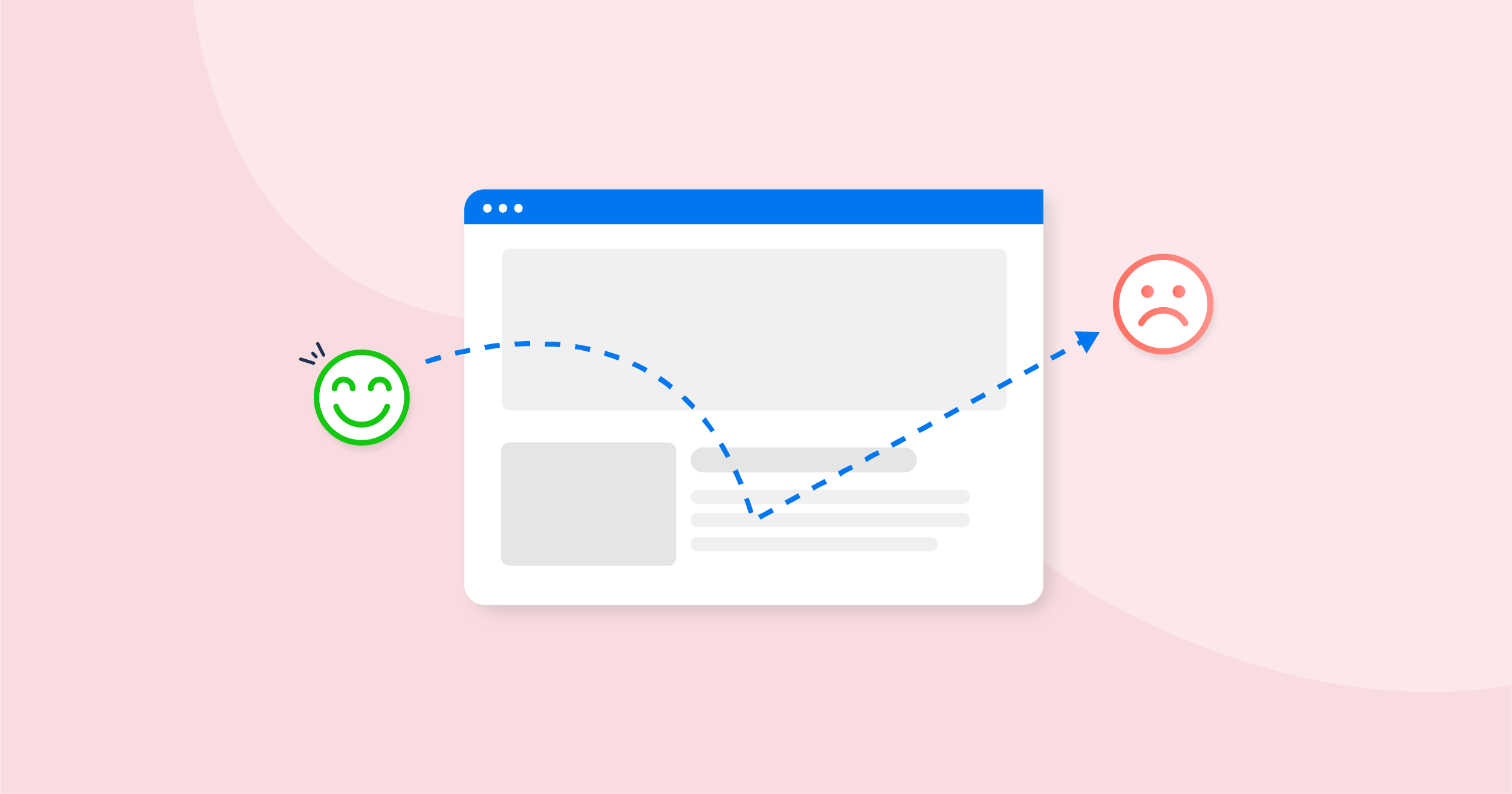
Bounce Rate is defined as the percentage of visitors who navigate away from the site after landing on any page. These users might not find your website appropriate for their cause and jump to other web pages which are more relevant. A high bounce rate means that your title is attractive but your content is either irrelevant or not interesting enough. When this happens consistently for two weeks, improve the content, play with the structure, or try adding better images.
Average Session Duration
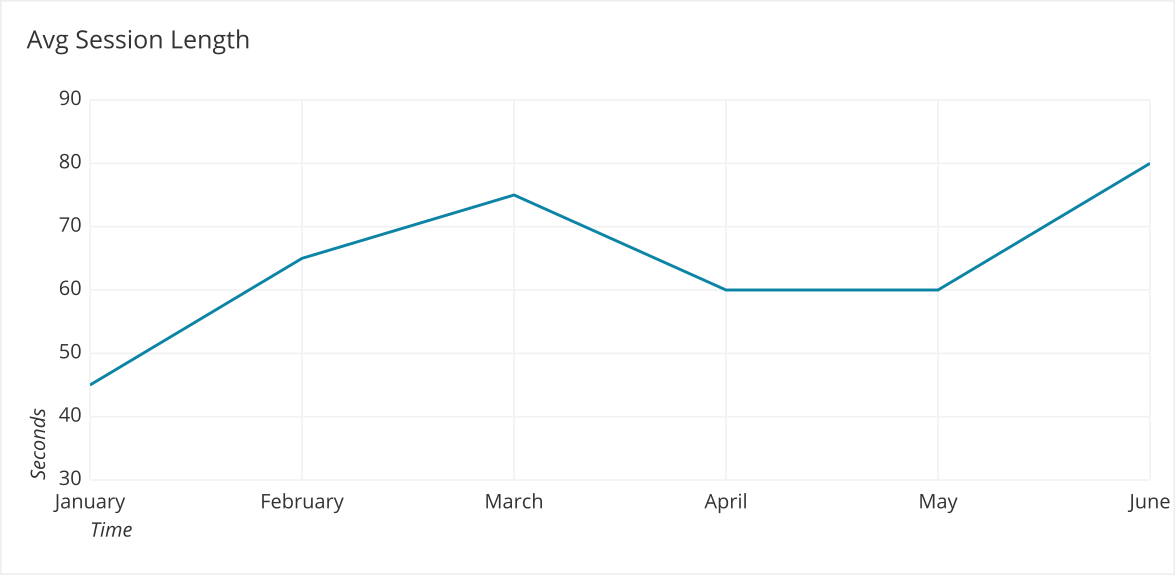
Average session duration tells for how long a visitor stays at your page after visiting your website. The higher the session duration, the more your website has been successful in engaging the user. Some websites add quirky widgets like games or 3D animations for improving the average session duration.
Pages Per Session
This number signifies the number of pages a visitor visits on the website in one session. The greater the number of sessions, the more engaging the visitor is finding your website. If the visitors are visiting one, two, or three pages on average then it is time to remodel the website or make it more fun. Google Analytics also provides data on the pages per session and URLs are also available for in-depth tracking. Another cool feature is that the Google Analytics funnels allow a user to see the flow of traffic from the landing page to other webpages.
Conversion Rate Tracking
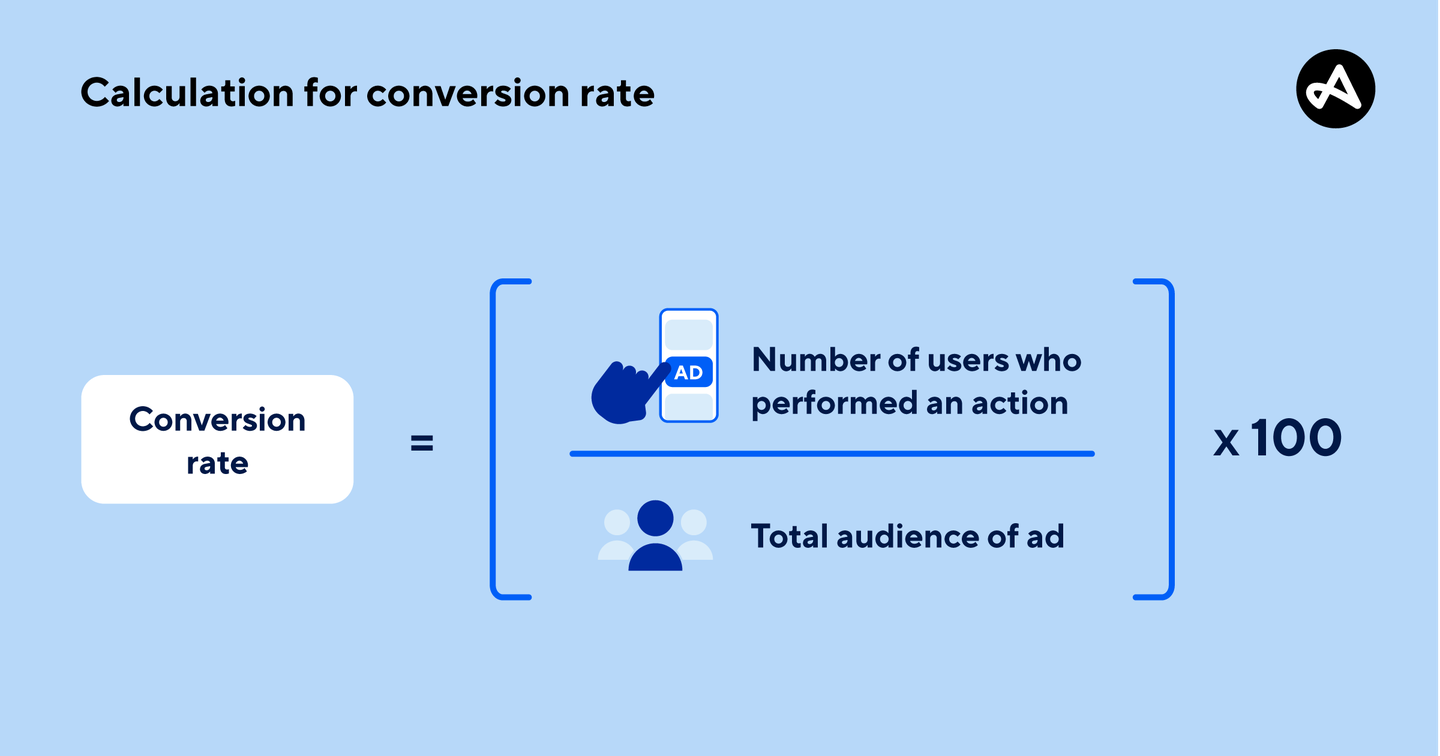
For local businesses, the end result of all these activities and SEO are conversions. Local businesses need all the sales they can get. Hence, the conversion rates are of vital importance. Once your website’s conversion tracking is enabled, you can track how many users are staying on your website, how many visits do you get in a day, and which page is getting how much traffic. Conversion goals can be set up and tracked. These conversion goals should align with your SEO efforts. HIgher conversion rates generally mean an excellent SEO strategy.
Quick Summary
Here is a quick recap of the entire article:
- SEO is essential for website visibility and performance on search engines.
- Ranking higher on SERPs increases visibility and drives traffic.
- SEO takes time and continuous effort to yield results.
- Monitoring keyword rankings is crucial to gauge SEO success.
- Analyzing organic traffic, bounce rate, average session duration, pages per session, and conversion rates helps assess SEO effectiveness.