

Hey everyone!!
Up till now, we have discussed a lot of things like what is local SEO, learned about NAP, optimization of Apple Maps, Bing business listing, and how to rank higher on Google Maps. Our concept of local SEO is developing steadily and now is the right time to learn a bit about how to execute the local SEO strategy across multiple locations. This has numerous benefits for small to medium-scale businesses. Among the most obvious benefits are (1) increased sales, (2) greater traffic, (3) higher chance of conversion, and (4) overall business growth.
If you missed any of the previous articles, here’s a quick recap: we started our discussion with setting up Google Business Profile and how to optimize a business profile properly. In the second stage, we learned about how to use local SEO for boosting a small to medium scale business. Once optimized, small businesses can start claiming some traffic and start to have a digital footprint.
Now your website has a tiny footprint, the next step is to develop a holistic and well-rounded strategy to grow that footprint for which a local SEO strategy is necessary. All business want to rank higher on the Google Maps and we saw that higher ranks are generally associated with better market performance and more customer engagement.
Now, let’s look at the final challenge you may encounter when executing a local SEO effort – ensuring your plan is successfully implemented across all locations.
Know Each Local Market
Regardless of the number of locations your organization has, each one is unique and offers opportunities for customization. While sticking to the overall plan is important, allow local managers the flexibility to make slight changes that cater to the local clientele. Different places will have different requirements. The people will have slightly different likings, maybe what is popular in one region might not as popular in the other region. People in Texas might have a different fashion sense compared to New York.

Now let’s consider an example of a local clothing brand that is looking to grow big. Marketers notice that New Yorkers have different dressing sense compared to Texans. While the Yorkers like to dress more formally, Texans are more grounded in their cowboy heritage. If the brand launches different campaigns that are custom tailored to the taste of each region, better results are expected. If Texans are shown ads of formal dressing and New Yorkers are shown dresses which are closer to cow boy fashion, the campaign will be largely ineffective.
Conduct thorough research on each local market, including demographics, economic landscape, cultural nuances, local trends, and consumer behavior. This knowledge will help you create content that resonates with the local audience, use relevant keywords, and offer products/services that meet local needs. For keyword research, tools such as Answerthepublic and SEMRush can be utilized.
Give the Local Teams the Power
Empower the local teams by giving them the authority to manage their own campaigns. Clearly communicate what can and cannot be altered, and encourage their input and judgment to make the efforts more effective for the local customer base. Regular check-ins and open communication channels will ensure everyone is on the same page. Provide ongoing training and resources to empower the local teams and make them feel confident in their roles.
For instance, a local manager might suggest partnering with a nearby community organization to host a charity event, which can boost brand visibility and local reputation. Local teams under the local demographics better. In short, the local managers best know what the public needs or wants. By empowering the local teams to make such decisions, you can tap into their knowledge of the local market and create more impactful campaigns.
Let’s say a food chain is operating in 10 locations and the local teams are empowered enough to modify the marketing campaigns as per their local area needs. If each of these teams is doing good in their respective allocated areas, the overall brand reputation will improve.
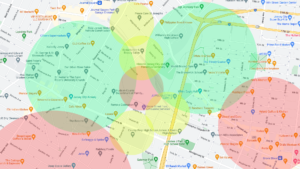
An XYZ brand’s local manager discovers that a certain product is not selling in a particular areas whereas the same product is selling quite well in other regions of operations. This would serve as an indicator that the people in this area do not like the product or are not happy with its quality/taste etc.
The local manager can replace this product with some other product and check if that improves sales. Relating to the image above, the Green section represents high sales, Yellow represents mediocre sales, and Red represents low sales. By focusing more on the mediocre and low sales areas, the brand’s overall profit margin can be increased.
Make Sure Your Branding is Consistent

Consistency is crucial for a successful branding campaign, including local SEO. While allowing for customization, ensure that the core branding elements such as the logo, typography, brand voice, and color scheme remain consistent. Ensure that local teams are familiar with the brand guide and implement the guidelines correctly. Regular audits can help maintain brand consistency, and encourage local teams to infuse their unique insights and ideas within the boundaries of the brand guide.

For example, if your brand uses a specific color scheme and typography, ensure that these elements are consistent across all locations. This consistency helps customers recognize and trust your brand, regardless of the location they visit.
Take Advantage of Technological/Automated Solutions
Utilize technological tools to streamline campaign management and implementation processes. Use content management systems, customer relationship management platforms, and automation tools to ensure consistent content distribution, customer engagement, and data tracking across all locations. This allows for centralized control while allowing for localization as needed.
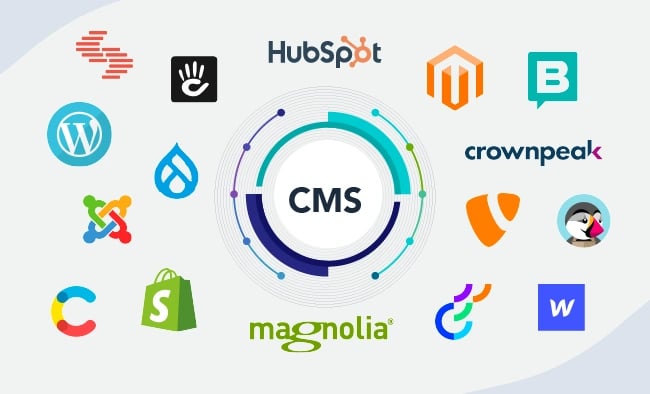
For example, you can use a content management system (CMS) to easily update website content across all locations simultaneously. This saves time and ensures consistency in messaging and promotions. Additionally, automated tools can help schedule and publish posts on Google Business Profiles for all locations, ensuring synchronized updates.
Continually Monitor Performance
Regularly monitor the performance of your local SEO campaign. Keep track of key performance indicators and evaluate the effectiveness of your efforts. Constantly check the status of your goals and make necessary adjustments. This will provide evidence of the campaign’s success and help you stay ahead of any obstacles.
For instance, if one location is consistently underperforming in terms of website traffic or customer engagement, you can analyze the data to identify the underlying issues. This allows you to make necessary adjustments, such as targeting specific keywords or improving the user experience on that location’s website.
Summary:
- Know each local market
- Give the local teams the power
- Make sure your branding is consistent
- Take advantage of technological/automated solutions
- Continually monitor performance
By following these steps, you can successfully execute your local SEO plan across multiple locations and boost your overall presence. Good luck!