

Local SEO is an essential element for small and medium-scale businesses, as it provides a powerful way to increase online visibility and attract potential customers in their specific geographic area. With the increasing dependence on search engines to find local products and services, having a robust local SEO strategy becomes crucial. By optimizing their online presence with location-specific keywords, accurate business information, and relevant content, businesses can ensure that they appear prominently in local search results.
Having a Local SEO Strategy not only improves their chances of being discovered by local customers but also enhances their credibility and trustworthiness. Therefore, investing in a potent strategy is a vital step for small and medium-scale businesses looking to establish a strong online presence and drive targeted traffic to their websites.
What is a local SEO strategy?
Developing a comprehensive local SEO strategy is crucial for small and medium-scale businesses aiming for success in their local markets. Consider your strategy as a blueprint that outlines the steps necessary to build a stronger local search presence using proven local SEO best practices. While it may require time and resources, investing in a well-crafted strategy will yield significant benefits in the long run. Your strategy should begin with an assessment of your present situation, including an analysis of the keywords you currently rank for and any ongoing local SEO efforts.
Competitor research is essential to identify businesses performing better in search results and understand the tactics they employ. This analysis will help you identify opportunities for improvement and areas where your website can be better optimized. Finally, your strategy should include a detailed plan of action, listing specific tactics that need to be deployed to enhance your local search presence. By following a comprehensive local SEO strategy, businesses can position themselves ahead of competitors and attract targeted local traffic to their websites. Following are the salient features of a good local SEO strategy: \
- Assess current keywords and local SEO efforts.
- Conduct competitor research.
- Identify areas for improvement and optimization.
- Develop a detailed action plan.
- Implement on-page optimization.
- Focus on localized and relevant content.
- Optimize Google My Business listing.
Related: What is Local SEO?
How do I create a local search strategy?
For any local business aiming to attract local customers, having a well-defined strategy is crucial to optimize the allocation of time and resources effectively. However, developing a strategy can be daunting, especially considering the multitude of local SEO ranking factors to consider. It is advisable to adopt a systematic approach, addressing each element of the plan meticulously, while also incorporating essential local SEO best practices. This approach ensures comprehensive coverage and maximizes the potential for improved rankings across various platforms, including the Local Pack, Local Finder, Maps, and local search results.
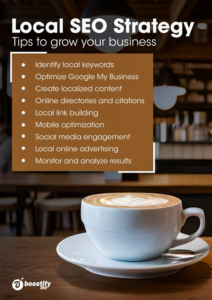
- Identify Local Keywords: Research and identify relevant local keywords related to the coffee shop’s location, such as “coffee shop in [city],” “best coffee near [landmark],” or “artisan coffee [neighborhood].”
- Optimize Google My Business: Claim and optimize the coffee shop’s Google My Business listing. Ensure accurate business information, including name, address, phone number (NAP), opening hours, and website URL. Add appealing photos and encourage customers to leave positive reviews.
- Create Localized Content: Develop localized content on the coffee shop’s website and blog. This may include neighborhood guides, coffee brewing tips, or articles featuring local events or collaborations. Incorporate local keywords naturally within the content.
- Online Directories and Citations: Ensure consistent NAP information across online directories, review sites, and local business listings. Submit the coffee shop’s information to popular local directories like Yelp, TripAdvisor, and Yellow Pages.
- Local Link Building: Build relationships with local bloggers, influencers, and businesses to secure backlinks. Seek opportunities for collaborations or guest blogging to expand the coffee shop’s online presence within the local community.
- Mobile Optimization: Optimize the coffee shop’s website for mobile devices, as many local searches are performed on smartphones. Ensure the website is responsive, loads quickly, and provides a seamless user experience.
- Social Media Engagement: Engage with the local community on social media platforms like Instagram, Facebook, and Twitter. Share updates, respond to comments and messages, and encourage customers to share their experiences and tag the coffee shop.
- Local Online Advertising: Consider running localized online advertising campaigns, targeting specific geographic areas or interests. Platforms like Google Ads and social media ads allow you to target local audiences effectively.
- Monitor and Analyze Results: Regularly monitor the coffee shop’s local SEO performance using tools like Google Analytics and Google Search Console. Analyze key metrics such as organic search traffic, local search rankings, and conversion rates to measure the effectiveness of the strategy and make adjustments as needed.
A local SEO strategy should be tailored to the specific needs and characteristics of the coffee shop’s location and target audience.
Step 1: Your Present Situation
To determine the most effective SEO tactics, it’s important to assess your site’s current ranking and performance. Conducting an audit provides an objective, data-driven view and highlights urgent tasks that should be prioritized before other local SEO efforts. Using tools like Local Search Audit simplifies the audit process and ensures accurate and up-to-date information. If conducting a manual audit, consider the following steps:
- Create a keyword ranking report to identify your current local search positions.
- Review on-page optimization, addressing issues that could hinder local SEO progress (e.g., missing/inaccurate page titles, slow loading pages, broken links, duplicate/low-quality content, and poor mobile user experience).
- Evaluate your Google Business Profile (formerly Google My Business) to identify optimization gaps.
- Generate a link report, analyzing inbound links and anchor text pointing to your site.
- Examine online reviews, noting the quantity, platforms, and timeliness of positive and negative reviews, and ensure timely responses.
- Compile a list of local citations, identifying any instances of incorrect or outdated information.
Step 2: Competitor Research
Analyzing competitors’ local SEO strategies provides valuable insights. Businesses ranking higher in local search results are likely implementing effective local SEO practices consistently. Understanding their successful tactics serves as a starting point for your own strategy. Repeat the initial audit focusing on specific competitors or use tools like Local Search Audit for a thorough analysis, enabling you to gather valuable information effortlessly and refine your own local SEO approach.
Step 3: Opportunities For Improvement
After assessing your site’s performance and understanding competitors’ strategies, you can identify areas for improvement to shape your local SEO strategy. Use the gathered data to pinpoint specific weaknesses and opportunities. For instance, if the on-page audit revealed poor or outdated content, prioritize creating valuable and relevant content for local readers. Similarly, if competitor analysis highlights superior review management, allocate more time for responding to Google reviews in your strategy. With this comprehensive information, you’re ready to formulate and implement your local SEO strategy.
Sample Local SEO Strategy For a Small Business
To develop a local SEO strategy for any business, begin by claiming and optimizing the Google My Business listing. Conduct keyword research and optimize website content with localized keywords. Create engaging localized content and build citations in local directories. Focus on managing online reviews and actively respond to customer feedback. Seek opportunities for local link building and collaborations with other businesses in the area. Implementing these strategies will enhance the coffee shop’s visibility in local search results and attract more customers in a specified geographic area.
Google Business Profile
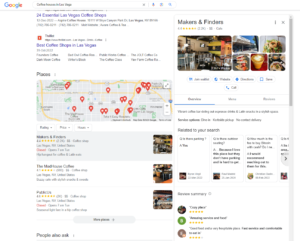
Google Business Profile is a free online listing provided by Google, where businesses can showcase important information such as their address, phone number, website, and operating hours. It serves as a prominent online presence for businesses in Google’s search results, maps, and other Google platforms. Having an optimized and accurate Google Business Profile is essential for local businesses to improve their visibility, attract more customers, and manage their online reputation effectively.
Related: How to Set Up Google Business Profile
Local Link Building
Local link building in local SEO refers to the process of acquiring high-quality inbound links from websites within the local area. These links act as endorsements or recommendations from other local businesses, organizations, or relevant websites. Local link building helps small to medium-scale businesses grow by improving their website’s authority, credibility, and visibility in local search results. It can lead to higher search engine rankings, increased organic traffic, and greater exposure to the local target audience. By earning reputable local backlinks, businesses can enhance their online reputation and establish valuable connections within their community, ultimately driving more customers and business opportunities.
While reputable backlinks help your business grow, poor quality backlinks lead to site demotion.
Citation Building
Citation building in local SEO involves creating and optimizing online listings across directories and platforms. It helps small to medium-scale businesses grow by improving local visibility, boosting SEO rankings, establishing trust, and expanding online presence. Popular citation builders for small businesses include Google My Business, Yelp, Bing Places, Facebook Business, Apple Maps, Yellow Pages, and Foursquare.
Website Optimization

While focusing on Google Business Profile is crucial for local SEO, having a strong website remains valuable. Localized organic results primarily consist of websites, making them a significant source of local business traffic. Optimizing the website can be done through various methods. Key areas to address include enhancing the reviews page, incorporating social links, conducting keyword research, and optimizing images. By addressing these aspects, the business can improve its website’s performance and attract targeted local traffic.
Reviews Page
Some websites only have limited reviews which minimizes the chance to highlight the business’s numerous positive reviews from various platforms. This can create a negative impression as potential customers may assume there aren’t recent positive reviews. To avoid this, embedding review widgets on the website is a simple solution. This allows visitors to access a wider range of relevant reviews on review platforms without requiring manual updates from the business. It ensures that potential visitors have easy access to up-to-date and comprehensive feedback.
Social Links
Social links are vital for local SEO and business growth. Engaging with the local community on platforms like Instagram, Facebook, and Twitter builds relationships and enhances credibility. Sharing updates, responding to comments, and encouraging customers to share experiences increases brand visibility. Social signals also impact search rankings, boosting organic visibility in local searches. Integrating social links into a local SEO strategy connects businesses with the local audience and drives growth in the targeted area.
Keywords Research

Keyword research is crucial for small businesses as it helps them understand their target audience’s search behavior, optimize their website content with relevant keywords, and improve their visibility in search engine results. By identifying and targeting the right keywords related to their local products or services, local businesses can attract more relevant traffic, increase their chances of being discovered by local customers, and ultimately drive growth and success in their specific geographic area.
Image Optimization
Image optimization is vital for website performance and user experience. It improves loading times, boosts search engine rankings, and enhances accessibility. Overall, optimizing images is crucial for a successful online presence.
Concluding Remarks
Local SEO is crucial for small businesses to increase online visibility and attract local customers. By optimizing their online presence with location-specific keywords, accurate business information, and relevant content, businesses can appear prominently in local search results, improving their chances of being discovered and enhancing credibility. A strong local SEO strategy is vital for establishing a strong online presence, driving targeted traffic, and gaining a competitive edge in the local market.
FAQ
Q: What is local SEO?
A: Local SEO is optimizing online presence to attract customers from a specific area through strategies like location-specific keywords and business listing optimization.
Q: Why is local SEO important for small businesses?
A: Local SEO helps small businesses compete locally, increase visibility, and attract targeted customers actively searching for local products or services.
Q: How can small businesses benefit from local SEO?
A: Local SEO boosts brand visibility, attracts local customers, and establishes credibility. It allows engagement through reviews, social media, and localized content.
Q: What factors are important in a local SEO strategy?
A: Key factors include optimizing Google My Business, keyword research, localized content, citations, social media engagement, and monitoring performance metrics.
Q: How long does it take to see results from a local SEO strategy?
A: Results vary, but noticeable improvements typically take several months. Continuous monitoring and refinement are necessary for sustained success.
Q: Is it necessary to hire a professional for local SEO?
A: While possible to do it yourself, professionals offer expertise, save time, and deliver measurable results by staying updated with trends and algorithm changes.
Q: Can local SEO help businesses without physical locations?
A: Yes, businesses without physical stores can still benefit by targeting specific areas and optimizing their online presence to attract customers from those locations.
Q: What tools can track and measure local SEO performance?
A: Tools like Google Analytics, Google Search Console, Moz, SEMrush, and BrightLocal help track organic traffic, visibility, and provide local SEO analysis.